LOSE WEIGHT WITH MEDICAL SUPPORT — BUILT FOR MEN
- Your personalised programme is built around medical care, not willpower.
- No generic diets. No guesswork.
- Just science-backed results and expert support.
Find out if you’re eligible



Tirzepatide (Mounjaro for type 2 diabetes, Zepbound for weight management) is an FDA-approved dual GIP and GLP-1 receptor agonist that effectively controls blood glucose and promotes weight loss. However, does tirzepatide cause indigestion? Yes, indigestion is a recognized side effect of this medication. By slowing gastric emptying—a key mechanism for its therapeutic benefits—tirzepatide can cause upper abdominal discomfort, bloating, and early satiety. Understanding this side effect, its frequency, and management strategies helps patients continue treatment safely while minimizing digestive symptoms.
Quick Answer: Yes, tirzepatide can cause indigestion (dyspepsia), reported in approximately 5-7% of patients, resulting from delayed gastric emptying that causes upper abdominal discomfort and bloating.
Tirzepatide is a dual glucose-dependent insulinotropic polypeptide (GIP) and glucagon-like peptide-1 (GLP-1) receptor agonist approved by the FDA for the treatment of type 2 diabetes mellitus (marketed as Mounjaro) and chronic weight management (marketed as Zepbound). This medication works by mimicking naturally occurring incretin hormones that regulate blood glucose levels, enhance insulin secretion, suppress glucagon release, and slow gastric emptying.
The mechanism of action that makes tirzepatide effective for glycemic control and weight loss also contributes to its gastrointestinal side effect profile. By delaying gastric emptying, tirzepatide increases the time food remains in the stomach, which can lead to various digestive symptoms. According to the FDA prescribing information, gastrointestinal adverse reactions are among the most commonly reported side effects during clinical trials. Notably, this gastric emptying delay is most pronounced after the first dose and tends to diminish with continued use.
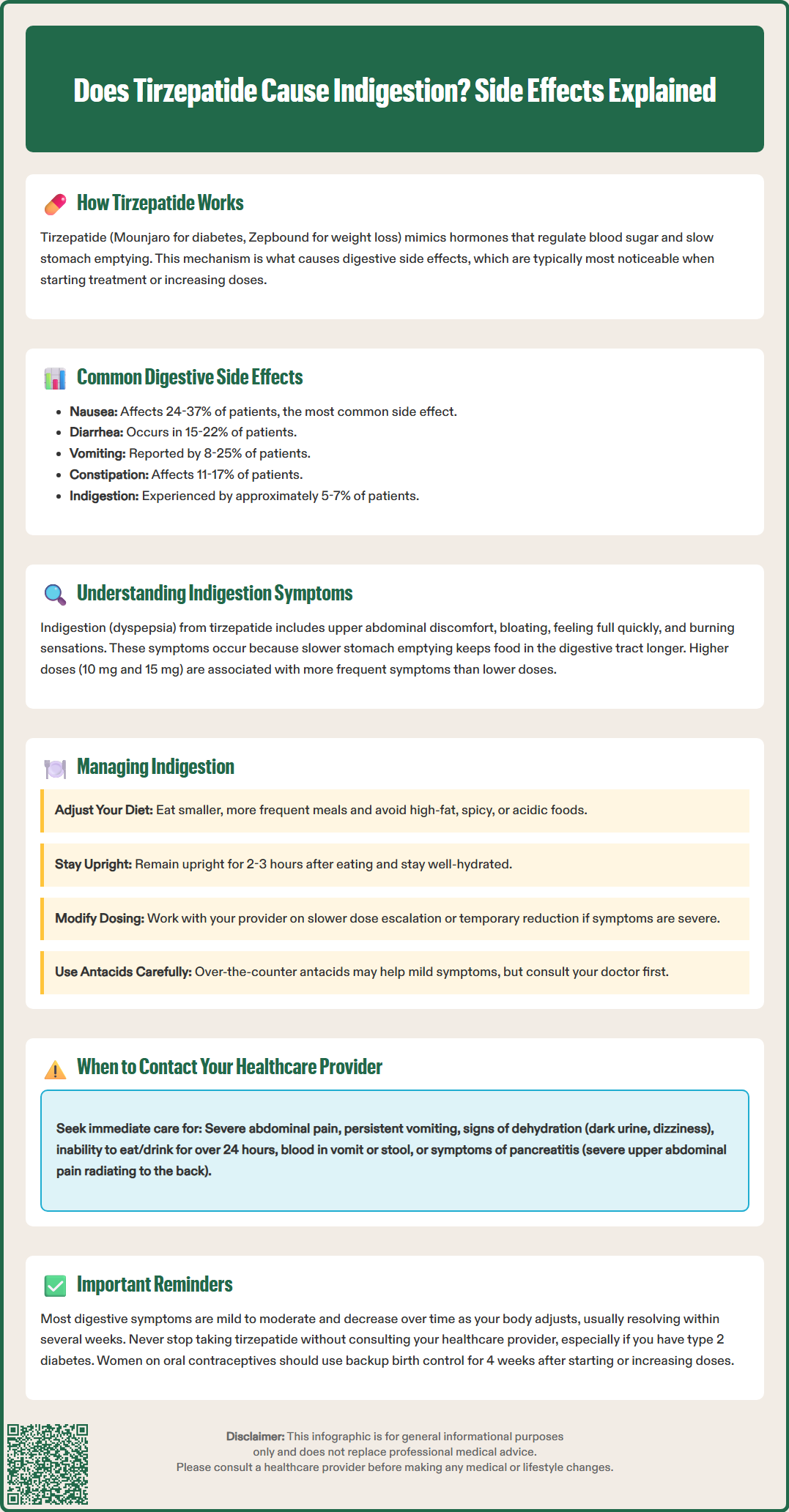
The most frequently documented digestive side effects include nausea (reported in 24-37% of patients), diarrhea (15-22%), vomiting (8-25%), constipation (11-17%), abdominal pain (6-10%), and dyspepsia (indigestion). These effects typically occur more commonly during the initial weeks of treatment or following dose escalation. In the SURPASS clinical trial program, gastrointestinal adverse events were generally mild to moderate in severity and tended to decrease over time as patients developed tolerance to the medication.
Most gastrointestinal symptoms are transient and resolve within several weeks as the body adjusts to the medication. However, recognizing when symptoms require medical attention remains an important aspect of safe tirzepatide use. It's important to note that tirzepatide is not recommended for patients with severe gastrointestinal disease, including severe gastroparesis.
Yes, tirzepatide can cause indigestion, though the term "indigestion" encompasses several related symptoms that may manifest differently among patients. In clinical terminology, dyspepsia—the medical term for indigestion—was reported in clinical trials, though it occurred less frequently than other gastrointestinal side effects such as nausea and diarrhea. The FDA prescribing information lists dyspepsia as an adverse reaction observed during tirzepatide clinical studies.
Indigestion associated with tirzepatide typically presents as upper abdominal discomfort, bloating, early satiety (feeling full quickly), or a burning sensation in the upper digestive tract. These symptoms result from the medication's effect on gastric motility and emptying. When the stomach empties more slowly, food remains in the upper gastrointestinal tract longer, potentially causing feelings of fullness, pressure, or discomfort that patients commonly describe as indigestion.
The incidence of indigestion varies depending on the tirzepatide dose. In the SURPASS-2 trial for type 2 diabetes, gastrointestinal adverse events showed a dose-dependent relationship, with higher doses (10 mg and 15 mg) associated with increased frequency of digestive symptoms compared to lower doses (5 mg). Dyspepsia specifically was reported in approximately 5-7% of patients across doses. Rates of gastrointestinal side effects may differ somewhat between patients using tirzepatide for diabetes (Mounjaro) versus weight management (Zepbound).
Several factors may influence whether a patient develops indigestion while taking tirzepatide, including baseline gastrointestinal sensitivity, dietary habits, concurrent medications, and the presence of pre-existing digestive conditions such as gastroesophageal reflux disease (GERD) or functional dyspepsia. Patients with a history of upper gastrointestinal disorders may be more susceptible to experiencing indigestion symptoms when initiating tirzepatide therapy. The American Diabetes Association recommends discussing potential gastrointestinal side effects with patients before starting GLP-1 receptor agonist therapy to set appropriate expectations and develop management strategies.
LOSE WEIGHT WITH MEDICAL SUPPORT — BUILT FOR MEN
Find out if you’re eligible

Effective management of indigestion while taking tirzepatide involves both lifestyle modifications and, when necessary, appropriate medical interventions. Most cases of tirzepatide-related indigestion can be successfully managed with conservative measures, allowing patients to continue therapy and achieve their glycemic and weight management goals.
Dietary modifications represent the first-line approach to managing indigestion:
Eat smaller, more frequent meals rather than large portions, which can overwhelm the already-slowed digestive system
Avoid high-fat foods, as fats delay gastric emptying further and may exacerbate symptoms
Limit spicy, acidic, or heavily seasoned foods that can irritate the upper gastrointestinal tract
Reduce carbonated beverages and caffeine, which may increase bloating and gastric discomfort
Eat slowly and chew thoroughly to facilitate digestion and reduce the burden on the stomach
Avoid lying down immediately after meals; remain upright for at least 2-3 hours to promote gastric emptying
Stay well-hydrated to prevent dehydration, which can worsen symptoms and potentially lead to acute kidney injury in vulnerable patients
Medication management strategies can also help minimize symptoms. According to the FDA prescribing information, tirzepatide can be administered any time of day, with or without food, as long as it's taken on the same day each week. If gastrointestinal symptoms are severe, your healthcare provider may recommend a slower dose escalation schedule or temporarily reducing the dose until symptoms improve.
Over-the-counter remedies may provide symptomatic relief for mild indigestion. Antacids containing calcium carbonate or magnesium hydroxide can neutralize stomach acid and alleviate burning sensations. However, patients should consult their healthcare provider before starting any new medications, including over-the-counter products, to ensure there are no contraindications or interactions with tirzepatide or other prescribed medications.
Women taking oral contraceptives should be aware that tirzepatide may reduce the absorption of these medications during initiation and dose escalation due to delayed gastric emptying. The FDA recommends using a backup method of contraception for 4 weeks after starting tirzepatide or after each dose increase.
If conservative measures prove insufficient, healthcare providers may consider prescribing proton pump inhibitors (PPIs) or H2-receptor antagonists to reduce gastric acid production. These medications can be particularly helpful for patients experiencing acid-related indigestion symptoms. The decision to add acid-suppressing therapy should be individualized based on symptom severity and patient response to initial management strategies.
While mild indigestion is a recognized side effect of tirzepatide that often improves with time and conservative management, certain symptoms warrant prompt medical evaluation. Patients should be educated about warning signs that may indicate more serious complications requiring professional assessment.
Contact your healthcare provider if you experience:
Severe or persistent abdominal pain that does not improve with standard measures or worsens over time
Persistent vomiting that prevents adequate fluid or food intake, increasing the risk of dehydration
Signs of dehydration, including decreased urination, dark urine, dizziness, dry mouth, or extreme thirst
Inability to tolerate oral intake for more than 24 hours
Symptoms suggestive of pancreatitis, such as severe upper abdominal pain radiating to the back, often accompanied by nausea and vomiting
New or worsening heartburn that does not respond to over-the-counter antacids
Weight loss that exceeds expected therapeutic effects or occurs rapidly with other concerning symptoms
Blood in vomit or stool, which may appear as black, tarry stools or coffee-ground emesis
Right upper quadrant pain, fever, or yellowing of skin/eyes, which may indicate gallbladder disease (more common during weight loss)
Severe abdominal distension or inability to pass gas or stool, which could suggest bowel obstruction
Markedly reduced urine output, which may indicate acute kidney injury from dehydration
Tirzepatide carries a boxed warning regarding the risk of thyroid C-cell tumors observed in animal studies, and while gastrointestinal symptoms are not directly related to this risk, any new or concerning symptoms should be evaluated. Additionally, acute pancreatitis has been reported in patients treated with GLP-1 receptor agonists, including tirzepatide. Severe, persistent abdominal pain—with or without vomiting—requires immediate medical attention to rule out this serious complication.
Patients with pre-existing gastrointestinal conditions should maintain closer communication with their healthcare team when starting tirzepatide. Note that tirzepatide is not recommended for patients with severe gastroparesis. Dose adjustments or alternative therapies may be necessary if indigestion or other gastrointestinal symptoms significantly impair quality of life or prevent adequate nutrition. Healthcare providers can assess whether symptoms represent expected, manageable side effects or indicate a need for treatment modification. Never discontinue tirzepatide without consulting your healthcare provider, as abrupt cessation may affect glycemic control in patients with type 2 diabetes.
Dyspepsia (indigestion) was reported in approximately 5-7% of patients across different tirzepatide doses in clinical trials. Higher doses (10 mg and 15 mg) showed increased frequency of digestive symptoms compared to lower doses.
Eating smaller, more frequent meals, avoiding high-fat and spicy foods, limiting carbonated beverages, eating slowly, and remaining upright for 2-3 hours after meals can significantly reduce indigestion symptoms while taking tirzepatide.
Contact your healthcare provider if you experience severe or persistent abdominal pain, persistent vomiting, signs of dehydration, inability to tolerate oral intake for more than 24 hours, or symptoms suggestive of pancreatitis such as severe upper abdominal pain radiating to the back.
All medical content on this blog is created using reputable, evidence-based sources and is regularly reviewed for accuracy and relevance. While we strive to keep our content current with the latest research and clinical guidelines, it is intended for general informational purposes only.
This content is not a substitute for professional medical advice, diagnosis, or treatment. Always consult a licensed healthcare provider with any medical questions or concerns. Use of this information is at your own risk, and we are not liable for any outcomes resulting from its use.