LOSE WEIGHT WITH MEDICAL SUPPORT — BUILT FOR MEN
- Your personalised programme is built around medical care, not willpower.
- No generic diets. No guesswork.
- Just science-backed results and expert support.
Find out if you’re eligible


Tirzepatide (Mounjaro, Zepbound) is an FDA-approved dual GIP and GLP-1 receptor agonist used for type 2 diabetes and chronic weight management. While effective, diarrhea is one of the most common side effects, affecting 12-23% of patients in clinical trials. Understanding why tirzepatide causes diarrhea helps patients and healthcare providers manage this gastrointestinal symptom effectively. This article explains the mechanisms behind tirzepatide-associated diarrhea, its frequency, management strategies, and when medical evaluation is necessary for safe, successful treatment outcomes.
Quick Answer: Tirzepatide causes diarrhea primarily by altering gut motility and intestinal fluid balance through GLP-1 receptor activation, which slows gastric emptying and affects the enteric nervous system controlling digestive function.
Tirzepatide is a dual glucose-dependent insulinotropic polypeptide (GIP) and glucagon-like peptide-1 (GLP-1) receptor agonist approved by the FDA for type 2 diabetes management (Mounjaro) and chronic weight management in adults with obesity or overweight with weight-related conditions (Zepbound).
This medication works by mimicking two naturally occurring incretin hormones that play crucial roles in glucose metabolism and appetite regulation. The GLP-1 component slows gastric emptying, meaning food moves more slowly from the stomach into the small intestine. This mechanism helps control blood sugar levels after meals and promotes satiety, contributing to weight loss. The GIP receptor activation enhances insulin secretion in a glucose-dependent manner and may influence metabolic processes.
Diarrhea occurs as a gastrointestinal side effect primarily due to tirzepatide's impact on gut motility and secretion. The medication alters the normal transit time of intestinal contents and can affect fluid balance in the digestive tract. GLP-1 receptor activation influences the enteric nervous system, which controls intestinal movement and secretion patterns. Other potential contributing factors may include changes in digestive processes, though these mechanisms are not fully characterized.
Gastrointestinal effects with tirzepatide are generally most prominent during dose initiation and escalation phases as the body adapts to the medication's influence on digestive function. The gastric emptying effects tend to attenuate over time with continued treatment, which may explain why some gastrointestinal symptoms improve with ongoing therapy.
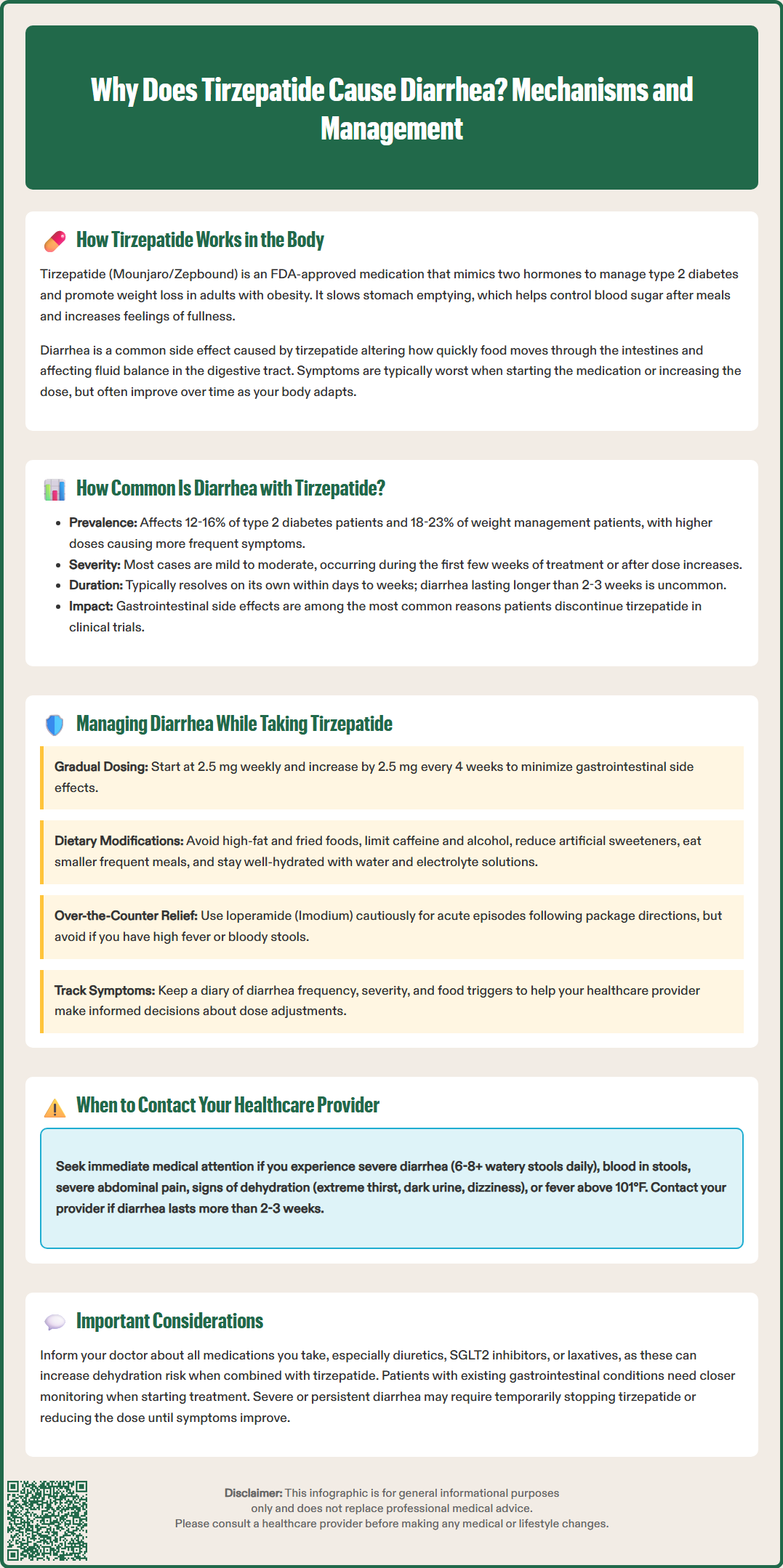
According to FDA prescribing information, diarrhea is one of the most frequently reported adverse effects of tirzepatide therapy. In the SURPASS clinical trial program for type 2 diabetes, diarrhea occurred in approximately 12-16% of patients receiving tirzepatide across various doses (5 mg, 10 mg, and 15 mg weekly), compared to lower rates in comparator groups. In the SURMOUNT trials evaluating tirzepatide for weight management, diarrhea rates were somewhat higher, affecting approximately 18-23% of participants.
The incidence of diarrhea demonstrates a dose-dependent relationship, with higher doses generally associated with increased frequency of gastrointestinal symptoms. Most cases are classified as mild to moderate in severity. Gastrointestinal adverse events, including diarrhea, are among the most common reasons for treatment discontinuation in clinical trials.
The temporal pattern of diarrhea typically follows a predictable course. Most patients who experience this side effect report symptoms during the initial weeks of therapy or following dose escalation. The majority of cases resolve spontaneously within several days to weeks as physiologic adaptation occurs. Persistent diarrhea beyond 2-3 weeks is less common and warrants clinical evaluation.
Patients with pre-existing gastrointestinal conditions may require closer monitoring when starting tirzepatide. Individual susceptibility varies considerably, and many patients tolerate tirzepatide without significant digestive disturbances. Healthcare providers should use clinical judgment when prescribing tirzepatide to patients with a history of gastrointestinal disorders or those taking other medications that may affect gut function.
LOSE WEIGHT WITH MEDICAL SUPPORT — BUILT FOR MEN
Find out if you’re eligible

Effective management of tirzepatide-associated diarrhea involves both preventive strategies and symptomatic treatment approaches. The FDA-approved prescribing information recommends gradual dose titration to minimize gastrointestinal side effects, typically starting at 2.5 mg weekly and increasing in 2.5 mg increments every 4 weeks as tolerated.
Dietary modifications can significantly reduce symptom severity:
Avoid high-fat, greasy, or fried foods that slow digestion and may exacerbate symptoms
Limit caffeine and alcohol, which can stimulate intestinal motility
Reduce intake of artificial sweeteners (sorbitol, mannitol) that have laxative effects
Consider smaller, more frequent meals rather than large portions
Stay well-hydrated with water and oral rehydration solutions containing electrolytes
Pharmacologic interventions may provide relief for persistent symptoms. Over-the-counter loperamide (Imodium) can be used cautiously for acute episodes according to package directions, but should be avoided if diarrhea is accompanied by high fever or bloody stools. Patients should consult their healthcare provider before regular use and should not exceed recommended dosages due to potential cardiac risks with misuse.
Patients should maintain a symptom diary documenting frequency, severity, and potential dietary triggers. This information helps healthcare providers determine whether dose adjustment or temporary treatment interruption is necessary. If diarrhea occurs primarily after dose escalation, remaining at the current dose for an additional 4 weeks before advancing may improve tolerance.
For severe or persistent diarrhea, temporary dose reduction or interruption may be necessary under healthcare provider guidance. Adequate hydration is essential to prevent dehydration and electrolyte imbalances. Patients should monitor for signs of volume depletion, including decreased urine output, dizziness, or excessive thirst.
Immediate medical attention is warranted for:
Severe diarrhea (more than 6-8 watery stools daily)
Blood or mucus in stools
Severe abdominal pain or cramping
Severe abdominal pain radiating to the back (possible pancreatitis)
Upper right abdominal pain, fever, or yellowing of skin/eyes (possible gallbladder disease)
Signs of dehydration (extreme thirst, dark urine, dizziness, confusion)
Fever above 101°F (38.3°C)
Unintentional weight loss exceeding expected therapeutic effects
Inability to maintain adequate oral fluid intake
Healthcare providers should evaluate for potential complications including electrolyte disturbances (hypokalemia, hyponatremia), acute kidney injury from volume depletion, or concurrent gastrointestinal conditions. Laboratory assessment may include comprehensive metabolic panel, complete blood count, and stool studies if infectious etiology is suspected.
Patients with pre-existing gastrointestinal disorders require closer monitoring as tirzepatide therapy is individualized based on benefit-risk assessment. Severe gastrointestinal adverse reactions with dehydration may warrant temporary interruption of tirzepatide until symptoms resolve.
Patients should review all medications with their healthcare provider, as some drugs (such as diuretics, SGLT2 inhibitors, or laxatives) may increase dehydration risk when combined with tirzepatide-associated diarrhea. Dose reduction or temporary treatment interruption may be necessary for severe or persistent symptoms. Healthcare providers should document all adverse effects and report serious events through the FDA MedWatch program.
Most patients experience diarrhea during the initial weeks of therapy or after dose increases, with symptoms typically resolving within several days to weeks as the body adapts. Persistent diarrhea beyond 2-3 weeks is less common and should be evaluated by a healthcare provider.
Loperamide (Imodium) can be used cautiously for acute episodes according to package directions, but patients should consult their healthcare provider before regular use and avoid it if diarrhea is accompanied by high fever or bloody stools.
Not necessarily—mild to moderate diarrhea is common and often improves with continued treatment, dietary modifications, and proper hydration. However, severe or persistent symptoms may require dose adjustment or treatment interruption under healthcare provider guidance.
All medical content on this blog is created using reputable, evidence-based sources and is regularly reviewed for accuracy and relevance. While we strive to keep our content current with the latest research and clinical guidelines, it is intended for general informational purposes only.
This content is not a substitute for professional medical advice, diagnosis, or treatment. Always consult a licensed healthcare provider with any medical questions or concerns. Use of this information is at your own risk, and we are not liable for any outcomes resulting from its use.